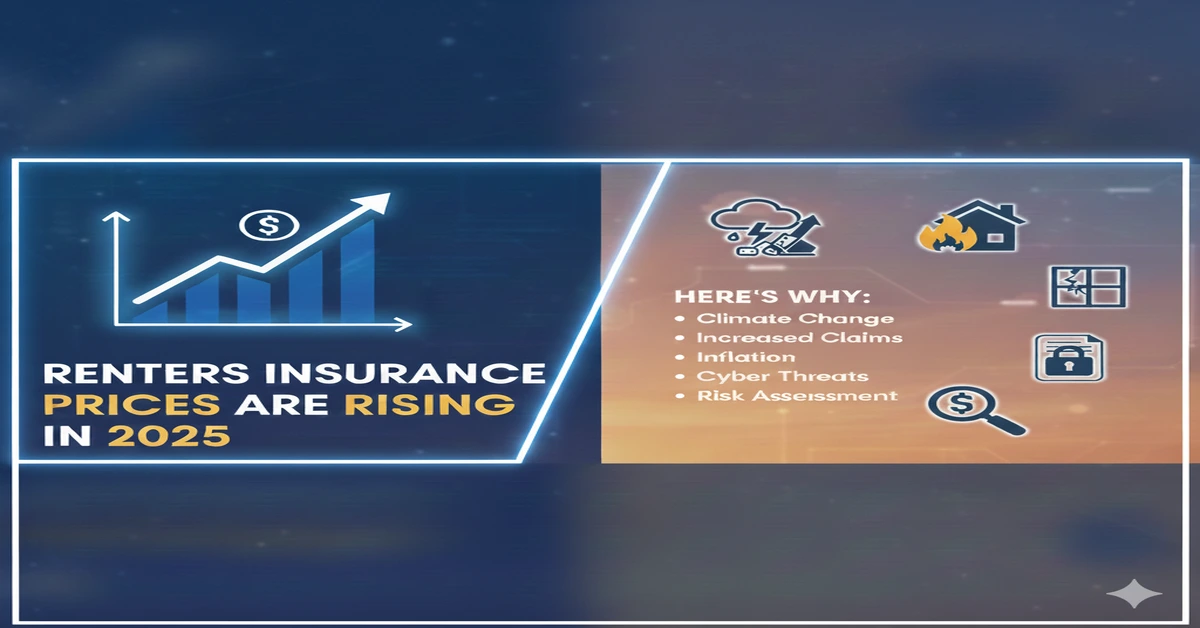
If you’ve noticed your renters insurance bill creeping up lately, you’re not imagining things. After years of relatively stable and even declining premiums, renters across America are facing higher insurance costs in 2025—and the trend shows no signs of slowing down.
How Much Are Renters Paying Now?
The current landscape for renters insurance varies significantly across the country. On average, renters can expect to pay between $18 and $24 per month in 2025, though costs range from as low as $12 to as high as $36 monthly depending on your location and coverage needs.
While that might still sound affordable compared to homeowners insurance, which averages over $2,000 annually, the rate of increase is what’s catching renters off guard. The national average has climbed from $170 per year in 2021 to upwards of $288 annually in 2025—a jump of nearly 70% in just four years.
The Climate Factor: Nature’s Rising Price Tag
The biggest culprit behind rising renters insurance costs? Increasingly severe and frequent weather disasters. In 2024 alone, the United States experienced 27 separate billion-dollar weather events—double the annual average from the previous four decades.
Hurricanes battering Florida and the Gulf Coast, devastating wildfires scorching California, severe hailstorms pummeling the Great Plains, and catastrophic floods sweeping through communities nationwide have all contributed to mounting insurance claims. When insurers pay out more for property damage and personal belongings, they pass those costs along to policyholders through higher premiums.
States most vulnerable to natural disasters are feeling the squeeze hardest. Louisiana leads the nation with average monthly premiums of $36, followed closely by Florida and Oklahoma at $28 per month. Even renters in traditionally lower-risk states are seeing increases as climate patterns shift and extreme weather becomes more unpredictable.
Inflation Hits Home
Beyond weather-related claims, general inflation has significantly impacted the cost of replacing damaged belongings. Everything from electronics and furniture to clothing and appliances costs more to replace than it did just a few years ago.
When you file a claim for stolen or damaged property, your insurer has to pay current replacement costs—not what those items cost when you bought them. As inflation drives up the price of goods and materials, insurance companies adjust premiums to reflect these higher replacement values.
Labor costs for repairs have also surged. The construction industry faces a severe skilled labor shortage, with job openings more than doubling expected levels. This shortage, combined with supply chain disruptions, means repairs cost substantially more than before.
The Liability Lawsuit Trend
There’s another less obvious factor pushing premiums higher: rising liability claims. Renters insurance doesn’t just cover your stuff—it also protects you if someone gets injured in your rental unit or if you accidentally damage someone else’s property.
As lawsuits become more frequent and settlement amounts grow larger, insurers face greater financial exposure. They’ve responded by increasing premiums to cover this expanding liability risk, particularly in areas where legal claims are more common.
The Reinsurance Ripple Effect
Here’s something most renters don’t know: insurance companies buy their own insurance. It’s called reinsurance, and it helps insurers manage catastrophic losses from major disasters.
As residential insurance claims have escalated in both frequency and cost, reinsurance companies have raised their rates dramatically. These increases trickle down to everyday policyholders. In some high-risk regions, insurers have even pulled out entirely, reducing competition and driving rates even higher for those who remain.
Where Renters Feel the Pinch Most
Geography matters enormously when it comes to renters insurance costs. The most expensive states share common vulnerabilities:
Highest-Cost States:
- Louisiana: $384 annually (hurricanes and flooding)
- Florida: $336 annually (tropical storms and hurricanes)
- Oklahoma: $336 annually (tornadoes and severe weather)
- Mississippi: $324 annually (storms and flooding)
- Texas: $312 annually (multiple hazards)
Meanwhile, renters in states with fewer natural disasters enjoy significantly lower rates:
Lowest-Cost States:
- North Dakota: $114 annually
- South Dakota: $117 annually
- Wisconsin: $127 annually
- Alaska: $138 annually
The difference between the cheapest and most expensive states can be more than $270 per year—enough to make location a real financial consideration for budget-conscious renters.
Your Personal Risk Profile Matters Too
Beyond location, several personal factors influence what you’ll pay:
Credit Score: In most states, insurers use credit-based insurance scores to set rates. Better credit typically means lower premiums, as data shows a correlation between credit scores and claim frequency.
Coverage Amount: Higher coverage limits provide more protection but cost more. Most basic policies start around $10,000 in personal property coverage, but if your belongings are worth $30,000 or more, expect to pay proportionally higher premiums.
Deductible Choice: Opting for a higher deductible lowers your monthly premium but means you’ll pay more out-of-pocket if you file a claim.
Claims History: Previous claims, especially for theft, water damage, or liability issues, can follow you for five to seven years and result in higher rates.
Property Type: Living in a gated community or newer building typically costs less to insure than renting an older single-family home, which faces higher risks of break-ins and structural problems.
How to Keep Your Costs Down
While you can’t control inflation or the weather, you can take steps to minimize your renters insurance expenses:
Bundle Your Policies: Combining renters insurance with auto or other policies from the same company can unlock significant multi-policy discounts. Sometimes the bundling discount nearly covers the entire cost of the renters policy.
Improve Your Credit Score: In states where credit affects insurance pricing, paying bills on time and managing debt responsibly can lead to lower premiums over time.
Ask About Discounts: Many insurers offer price breaks for security systems, smoke detectors, fire extinguishers, or even paying your annual premium upfront. Don’t assume you’ll get these discounts automatically—you often have to ask.
Raise Your Deductible: If you can afford to pay $1,000 or more out-of-pocket in an emergency, choosing a higher deductible can meaningfully reduce your monthly costs.
Avoid Small Claims: Filing frequent small claims can drive up your rates significantly. It’s often better to pay for minor losses yourself and save insurance for major incidents.
Shop Around Annually: Insurance companies price risk differently, and rates can shift year to year. Comparing quotes from multiple providers each renewal period ensures you’re getting the best deal. State Farm, USAA (for military families), and Lemonade often rank among the most affordable options.
The Landlord Connection
Rising renters insurance costs don’t exist in a vacuum. Many landlords are facing their own insurance crisis, with property insurance premiums jumping by an average of 26% annually in some markets. These costs often get passed along to tenants through rent increases, compounding the affordability challenges renters face.
Some landlords now require tenants to carry renters insurance as a condition of the lease—a trend that’s becoming more common as property owners seek to limit their own liability exposure. While this adds another monthly expense for renters, it also provides valuable protection that many underestimate.
The Bigger Picture
Despite the recent increases, renters insurance remains one of the most cost-effective ways to protect your belongings and guard against liability risks. Consider that the average renter owns thousands of dollars worth of electronics, clothing, furniture, and other personal items. Replacing everything after a fire, theft, or natural disaster without insurance could be financially devastating.
The coverage also extends beyond just your stuff. If your rental becomes uninhabitable due to a covered event, renters insurance typically pays for temporary housing and additional living expenses. If someone gets injured in your apartment and sues you, your liability coverage can protect you from potentially ruinous legal costs.
What’s Next?
Unfortunately, experts don’t expect renters insurance costs to decrease anytime soon. As long as climate change continues to fuel more severe weather events, inflation keeps replacement costs elevated, and liability claims remain frequent, upward pressure on premiums will likely persist.
The key is being an informed consumer. Understand what drives your rates, take advantage of available discounts, and shop around regularly. While you may not be able to avoid rate increases entirely, you can make sure you’re getting the best value for your coverage—and protecting yourself from the far greater financial risk of going without insurance altogether.
In a world of increasing uncertainty, that peace of mind is worth paying for—even if it costs a bit more than it used to.