California just changed the insurance game for millions of renters. Here’s what’s different in 2025—and what it means for your wallet.
If you rent in California, the insurance landscape just shifted under your feet. Between devastating wildfires, new state regulations, and landlord requirement changes, renters are facing a whole new set of rules in 2025. Some are good news. Others? Not so much.
The Wildfire Effect: Why Everything Changed
The catastrophic Los Angeles wildfires in January 2025 didn’t just destroy homes—they triggered an insurance crisis that reached renters statewide. The Palisades and Eaton fires alone caused an estimated $10 to $20 billion in insured losses, making them among the costliest disasters in California history.
Insurance Commissioner Ricardo Lara responded with emergency protections that directly impact renters. If you live in Los Angeles County fire zones or adjacent ZIP codes, your insurance company cannot cancel or refuse to renew your policy for one full year. Nearly a million policies are now protected under these moratoriums.
This matters even if your building didn’t burn. The protection applies to everyone in designated areas, giving renters stability during an uncertain recovery period.
Your Rent Just Got More Protected
Here’s something most California renters don’t realize: your renters insurance includes a powerful benefit called Additional Living Expenses (ALE) coverage. If your rental becomes uninhabitable due to fire, flood, or another disaster, this coverage pays for hotels, food, storage, and other costs while you’re displaced.
The game-changer? California now requires insurance companies to advance you at least four months of ALE payments without making you submit itemized receipts first. You also get a minimum two weeks of benefits if you’re evacuated, even if your building is fine.
During the recent LA fires, this meant the difference between scrambling for emergency funds and having immediate financial support. If you’re ever forced to evacuate, contact your insurance company immediately and keep every receipt.
The Bad News: Rates Are Jumping
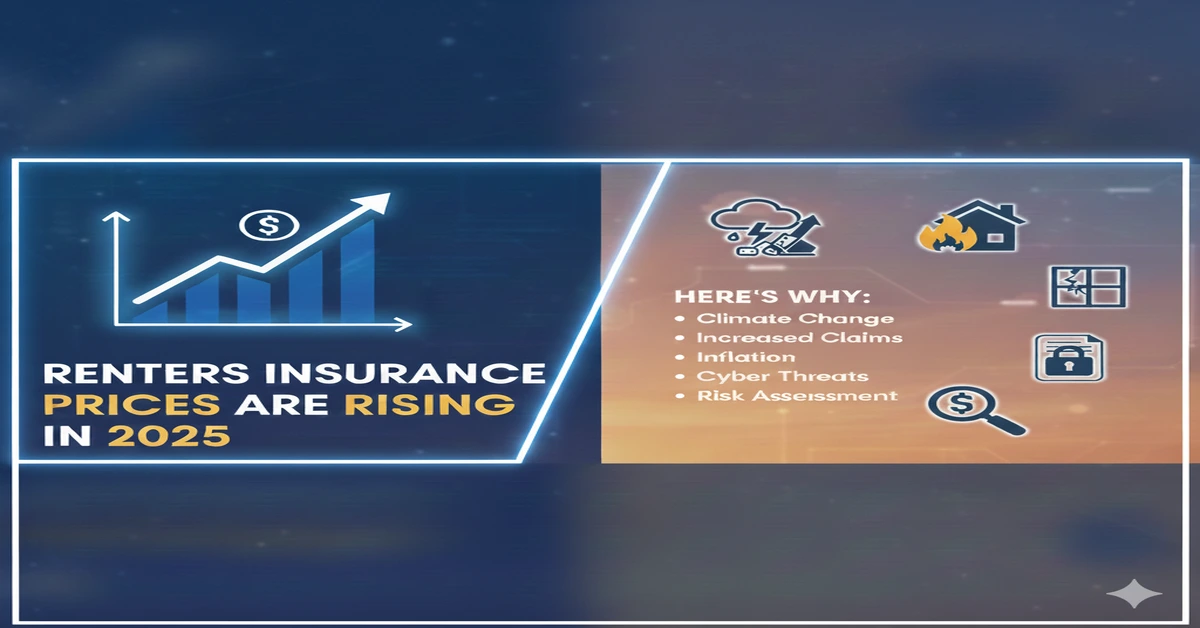
State Farm requested a 15% emergency rate increase for renters insurance in early 2025, and other companies are expected to follow. The massive wildfire losses mean insurers are recalculating risk across the state.
Currently, California renters pay an average of $15 to $20 monthly for coverage. That’s about to climb. If you’re in a high-risk fire zone in Southern California, expect the increase to hit harder than renters in lower-risk areas.
The irony? These rate hikes come alongside California’s new Sustainable Insurance Strategy, which forces companies to provide more coverage in wildfire-prone areas. The trade-off for better availability is higher prices.
Your Landlord’s New Powers (And Limits)
California law doesn’t require you to have renters insurance. But here’s the catch: your landlord can require it as a lease condition, and most do.
Under Civil Code § 1940.4, landlords can mandate that you carry coverage, typically with at least $100,000 in liability protection. They can also require that they’re listed as an “interested party” on your policy, which alerts them if you let your coverage lapse.
Fail to maintain insurance when your lease requires it? You could face eviction proceedings. Not a risk worth taking.
Three New Laws Changing the Rental Game
Several 2025 laws don’t directly involve insurance but affect your relationship with your landlord in ways that make coverage more important:
Photo Evidence for Security Deposits (AB 2801) Starting July 1, 2025, landlords must photograph your rental before you move in and after you move out. If they withhold any of your security deposit for damages, they must provide time-stamped photos proving the damage. This could mean more disputes over property condition—exactly when liability coverage becomes critical.
Rent Payments Hit Your Credit Score (AB 2747) As of April 1, 2025, landlords with 16+ units must offer to report your on-time rent payments to credit bureaus. Great for building credit, but it means late payments can now hurt your score. Since insurance companies use credit scores to set rates, this creates a new connection between your rent and insurance costs.
More Time to Fight Evictions (AB 2347) You now get 10 days instead of 5 to respond to eviction filings for non-payment. More time to organize your defense could prevent default evictions that damage your rental history.
What Your Policy Doesn’t Cover
Standard renters insurance in California has critical gaps:
Earthquakes: Not covered. Add a California Earthquake Authority rider for about $35 annually to protect your belongings and cover alternative living expenses if the Big One hits.
Floods: Not included. You need separate National Flood Insurance Program coverage if you’re in a flood zone.
High-Value Items: Your $3,000 laptop or $5,000 engagement ring? Most policies cap electronics at $1,500 and jewelry at $1,000. You’ll need to schedule these items separately for full coverage.
Roommate Stuff: Your policy only covers your belongings. Each roommate needs their own insurance.
How to Pay Less (Even With Rate Increases)
Rising rates don’t mean you’re powerless. Smart renters are using these strategies to keep costs down:
Bundle with auto insurance for multi-policy discounts that can cut 15-25% off both policies. Install security systems, smoke detectors, and deadbolts for safety discounts. Raise your deductible from $500 to $1,000 to lower monthly premiums by 20% or more.
Shop around every year—companies price wildfire risk differently, and what was cheapest last year might not be this year. Lemonade, State Farm (outside fire zones), and USAA (for military families) consistently rank among affordable options.
Maintain good credit. Since California insurers use credit-based insurance scores, improving your credit score directly lowers your insurance costs.
The Market Reality: It’s Not Getting Better Soon
Former Insurance Commissioner Dave Jones, who now directs UC Berkeley’s Climate Risk Initiative, puts it bluntly: insurance availability and pricing is the signal for the climate crisis. When insurers can’t manage the risk, it means the danger is real and growing.
California’s insurance crisis isn’t temporary. As climate change drives more extreme weather, expect continued market volatility. Some insurers have already pulled out of high-risk areas entirely. Others are writing fewer new policies while raising rates on existing ones.
For renters, this means insurance is shifting from “nice to have” to absolutely essential. The financial devastation of losing everything in a fire without coverage far exceeds any premium increases.
What You Need to Do This Week
Don’t wait for disaster to strike. Take these steps now:
Check your lease to confirm insurance requirements and minimum coverage amounts. Review your current policy to ensure you have adequate personal property coverage—most people underestimate how much their belongings are worth.
Create a home inventory with photos or video of everything you own. Store it in the cloud, not just on your phone. If you live in a wildfire zone, understand how ALE coverage works and know your evacuation routes.
Shop for quotes from at least three insurers. With the market changing rapidly, you might find significantly better rates. Ask about every available discount—security systems, bundling, auto-pay, claims-free history.
If you don’t have coverage, get it before your landlord requires it or disaster strikes. Waiting until you need it is too late.
The Bottom Line
California’s new insurance rules are reshaping what it means to rent in the state. Emergency protections offer critical stability after disasters. Rate increases mean higher monthly costs. New landlord laws create additional documentation and credit reporting that make liability coverage more valuable than ever.
At $15 to $20 monthly (for now), renters insurance remains one of the most affordable ways to protect yourself from financial catastrophe. With wildfires, earthquakes, and other disasters becoming California’s new normal, the real question isn’t whether you can afford renters insurance—it’s whether you can afford to go without it.
The rules have changed. Make sure you’re protected.